6G-XR Impact Day: Paving the Way for the 6G Future of Immersive Services
Explore the highlights from 6G-XR Impact Day 2025 in Madrid, where industry experts showcased immersive XR demos and tackled key challenges in 6G, data governance, and open standards—shaping the future of connectivity and innovation
XR Meets 6G in Madrid
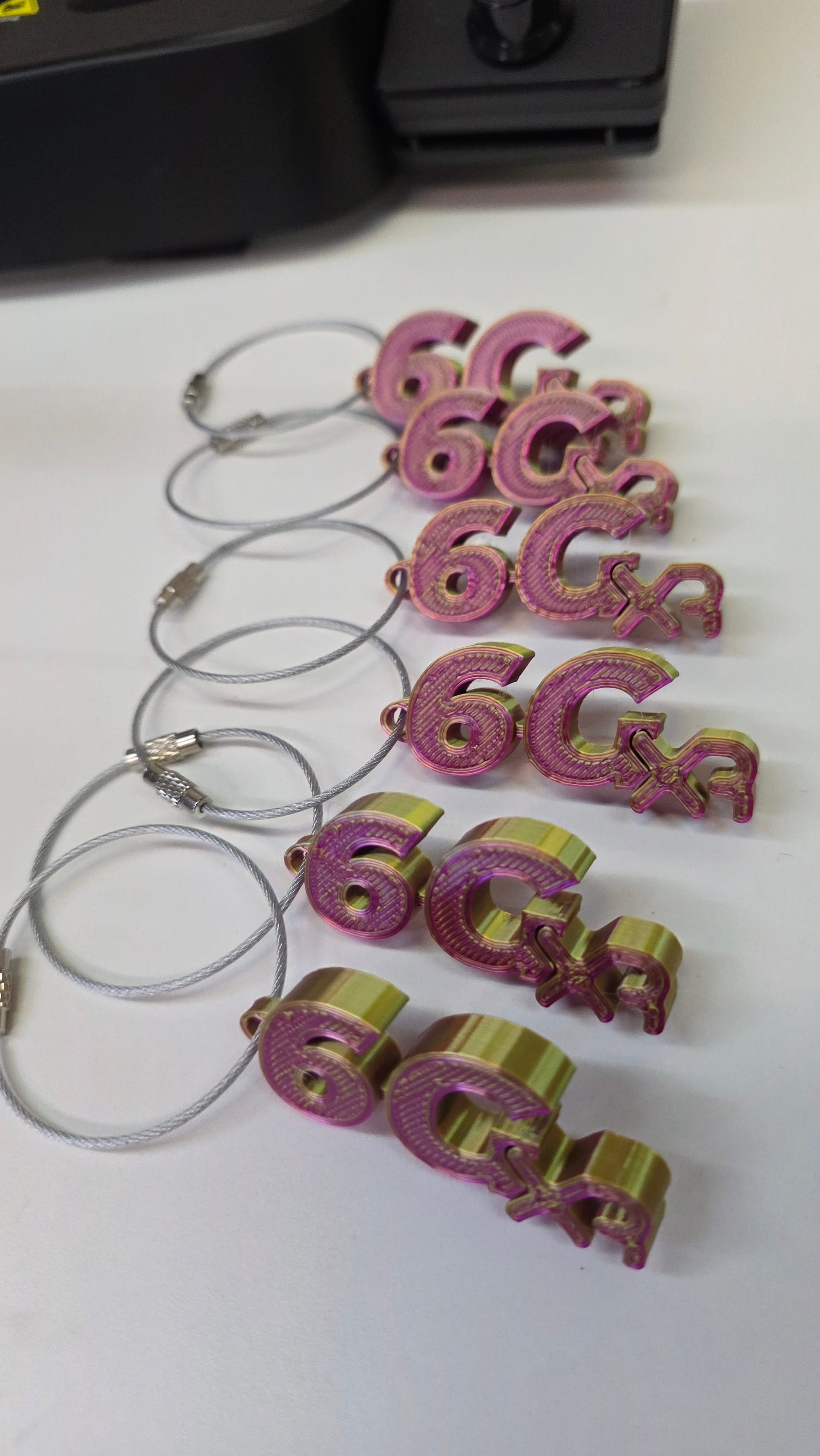
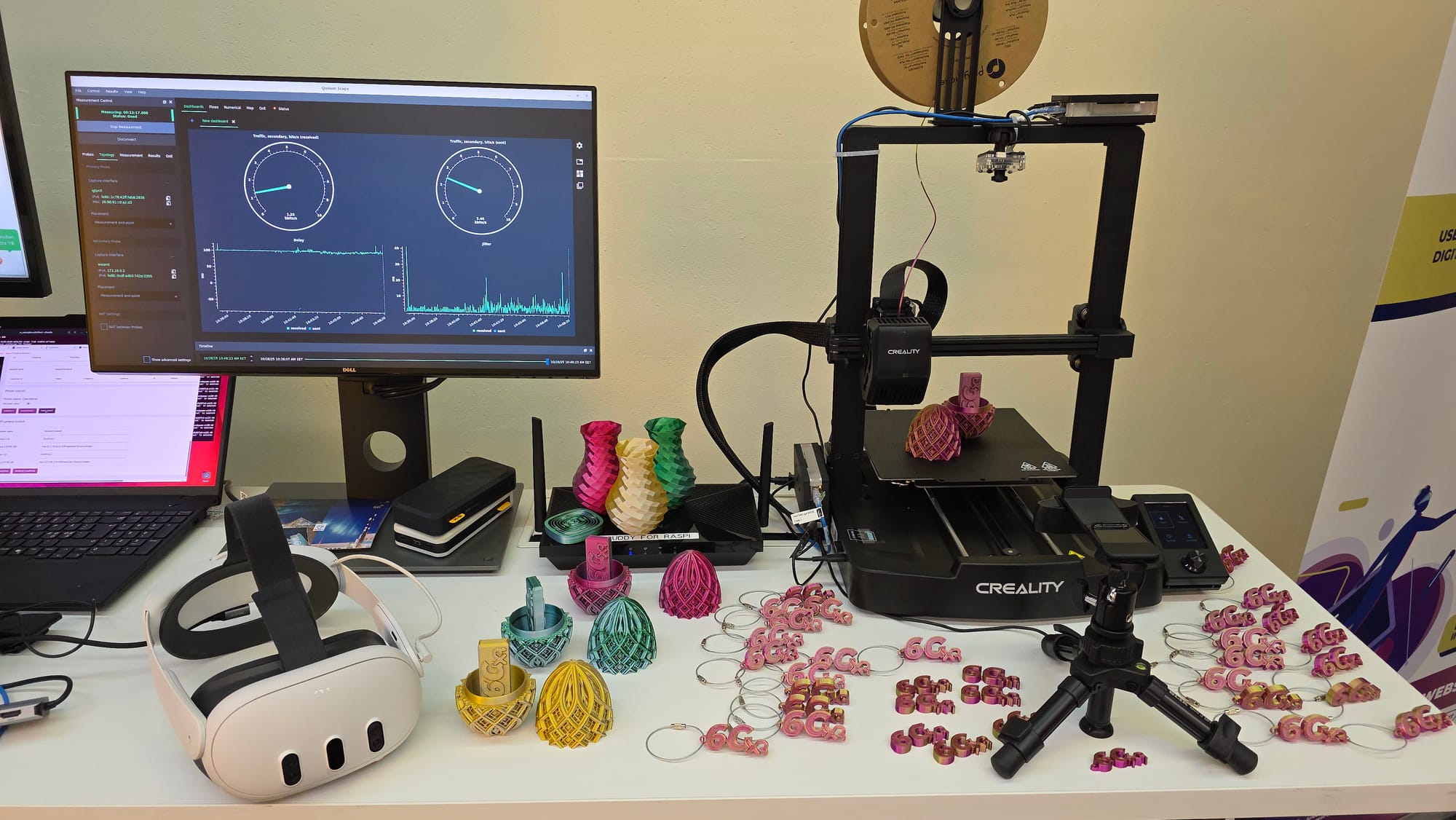

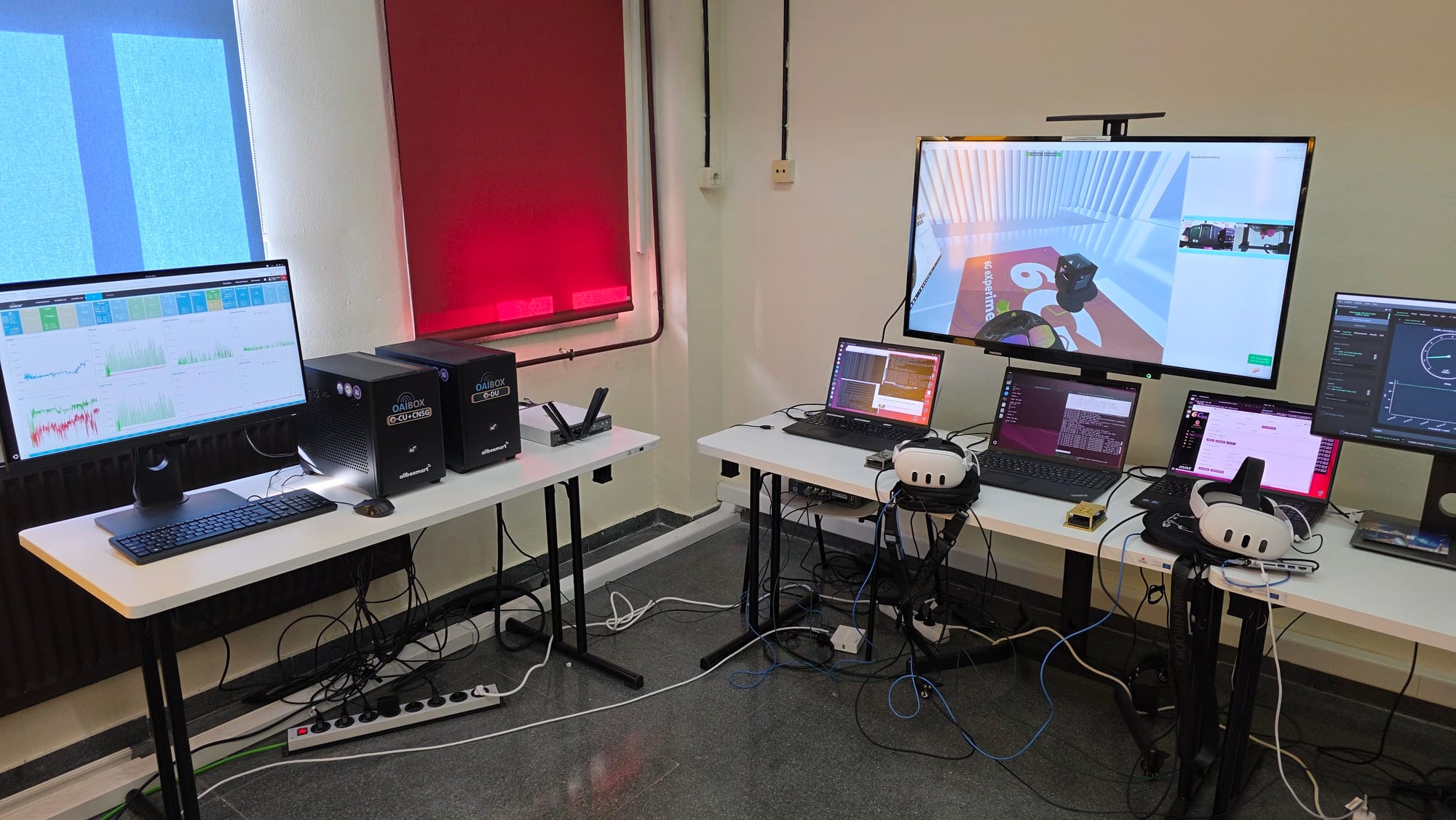
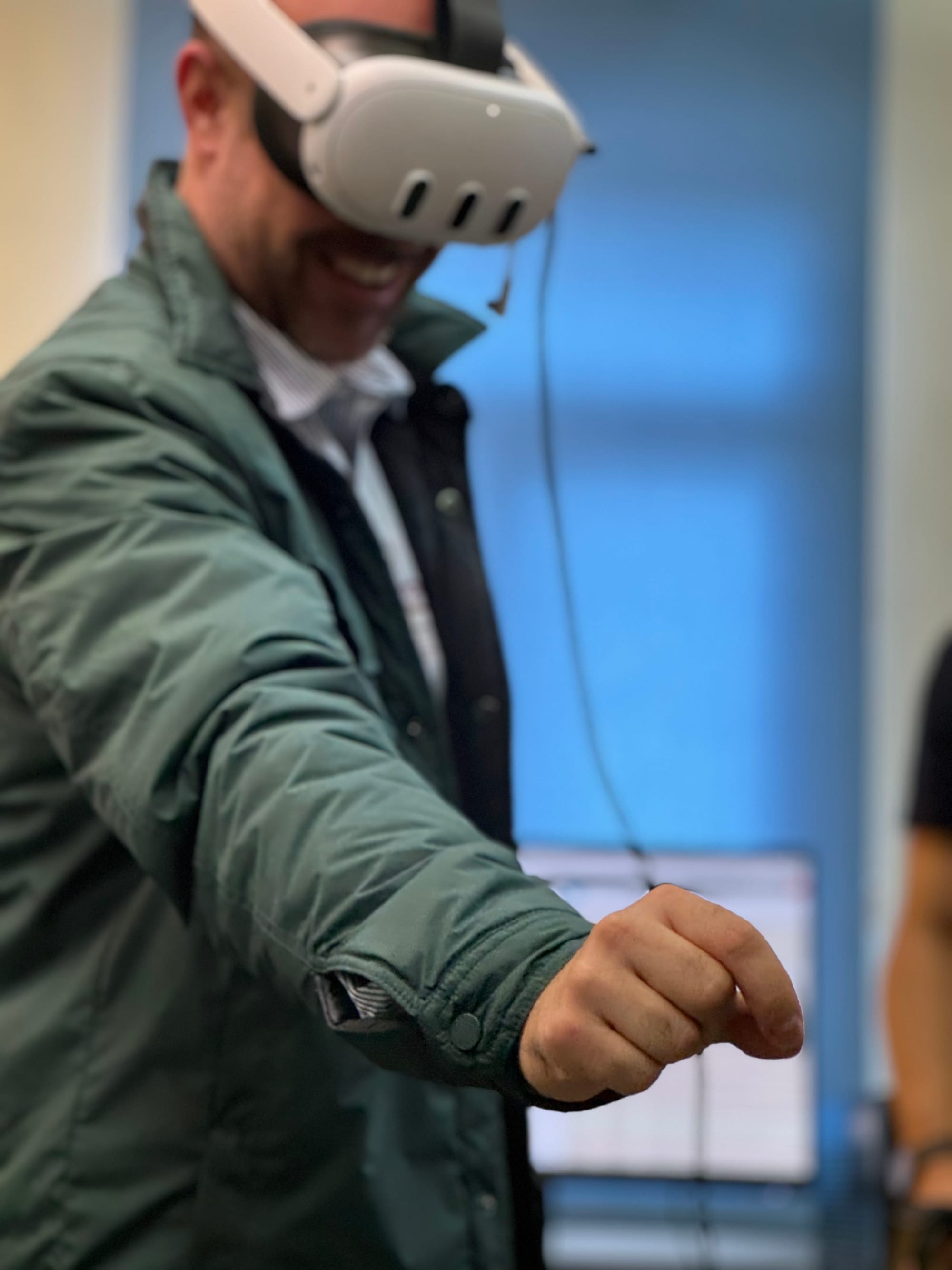
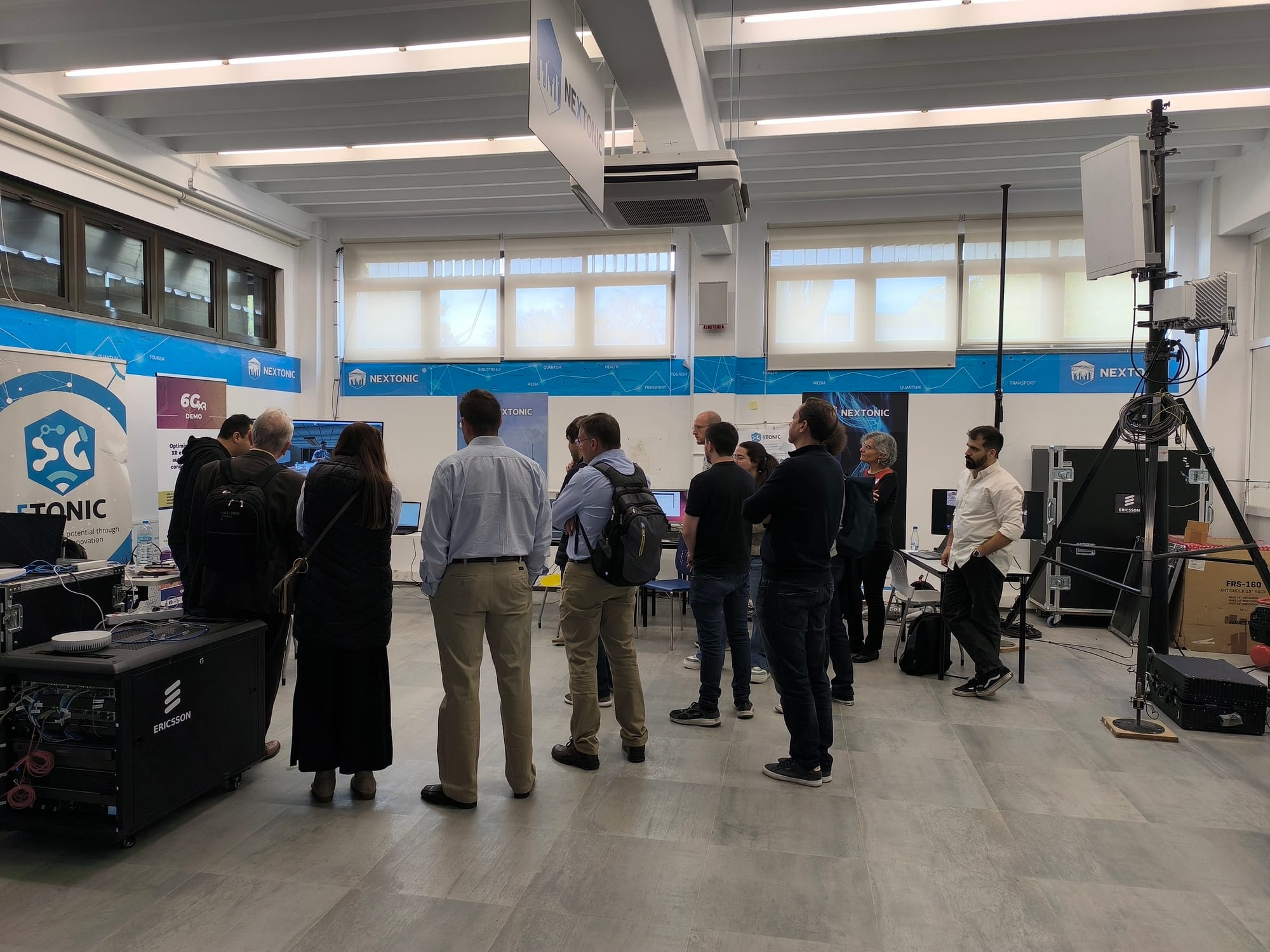
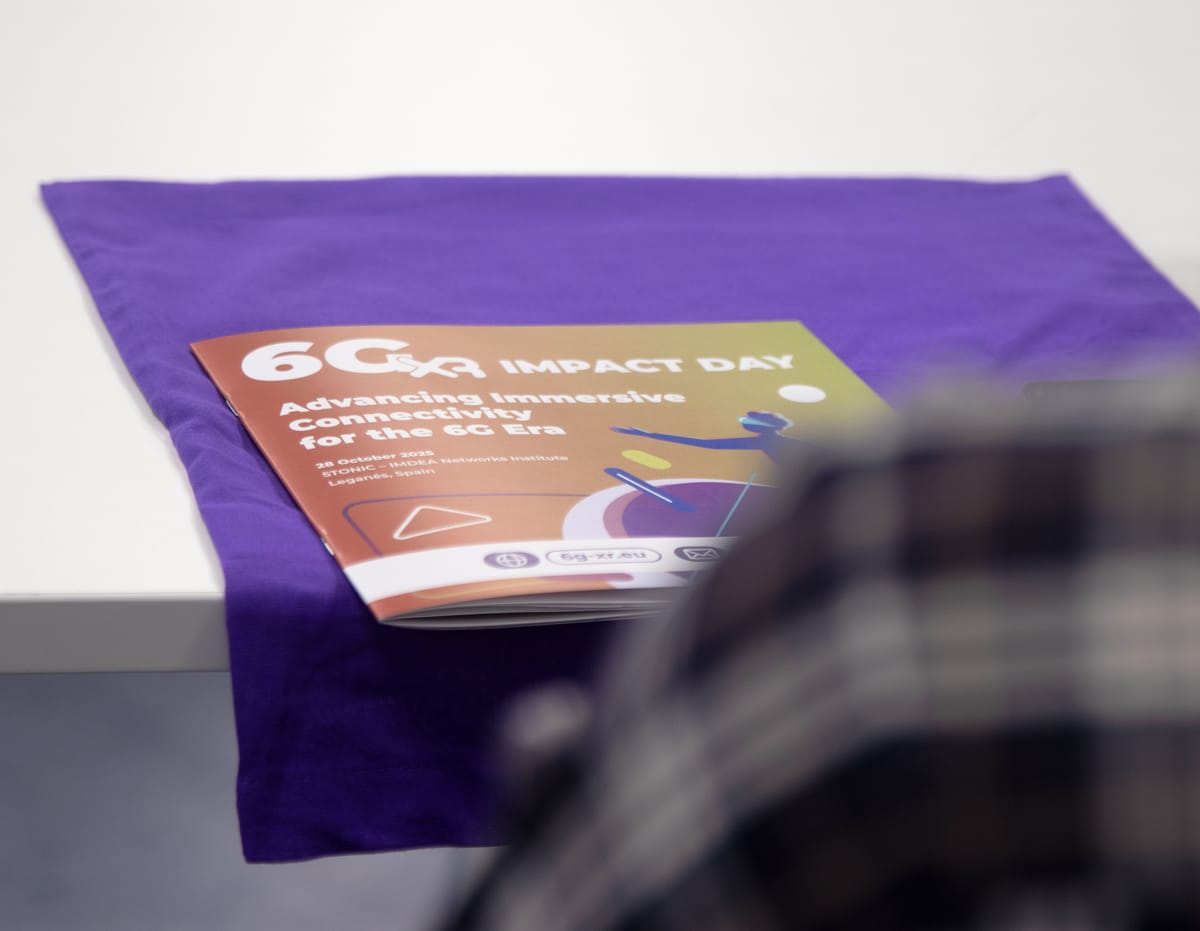
On 28 October 2025, the 6G-XR Impact Day in Madrid, Spain marked the culmination of three years of EU-backed research into 5G/6G-enabled extended reality (XR). Hosted at the NEXTONIC lab (formerly 5TONIC) in Leganés, the full-day event brought together the 6G-XR project’s partners and over 60 external experts from industry and academia. Attendees experienced live demonstrations of advanced XR use cases and engaged in discussions on the future of immersive connectivity. The agenda featured hands-on showcases of real-time holographic communication, 3D digital twin collaboration, and energy-efficient XR streaming, alongside expert panels examining how these innovations will impact industries and align with emerging 6G standards. As the Innovation Manager at of the project and a panel moderator, I witnessed firsthand how this forum brought technology developers, industry stakeholders, and policy experts together to connect, collaborate, and chart the next steps for XR and vertical industries in the 6G era .
Live demos and discussions ran throughout the day. Participants saw first-hand how 6G-XR’s federated testbed enables capabilities like holographic telepresence, interactive digital twins, edge-cloud orchestration, and green networking under realistic multi-site conditions. Two high-level panels put these technical achievements into context. One panel gathered cross-sector perspectives on integrating XR and 6G connectivity across verticals such as manufacturing, media, energy, and automotive. A second panel - the one I moderated - focused on the standards, data governance, and policy frameworks needed to support these next-generation immersive services. Below, we recap the day’s key insights and takeaways for innovation professionals, technologists, and standards stakeholders.
Achievements of a Federated 6G-XR Testbed
Backed by the EU’s Smart Networks and Services Joint Undertaking (SNS JU) under Horizon Europe, the 6G-XR project spent three years building a multisite 6G-XR testbed spanning Finland (North Node) and Spain (South Node). This cross-border platform was at the center of Impact Day, demonstrating capabilities that go beyond proof-of-concept research. The testbed supports real-time holographic communication, distributed XR collaboration, dynamic edge resource allocation, and energy-aware network optimization. It offers a unified architecture with a web-based trial controller for end-to-end experiments and includes a fully integrated IMS-based AR calling system—recognized as one of the SNS JU program’s Top 10 achievements of 2025. These milestones have positioned the 6G-XR test platform as a European reference point for immersive technology research.
With 30+ third-party innovation projects onboarded through three open calls, the 6G-XR testbed has reached a level of maturity that aligns with industry expectations. Project partners demonstrated how the platform can reliably host complex XR applications across distributed sites, signaling a shift from isolated lab experiments toward deployable solutions.
Panel 1: Immersive XR Use Cases Across Verticals
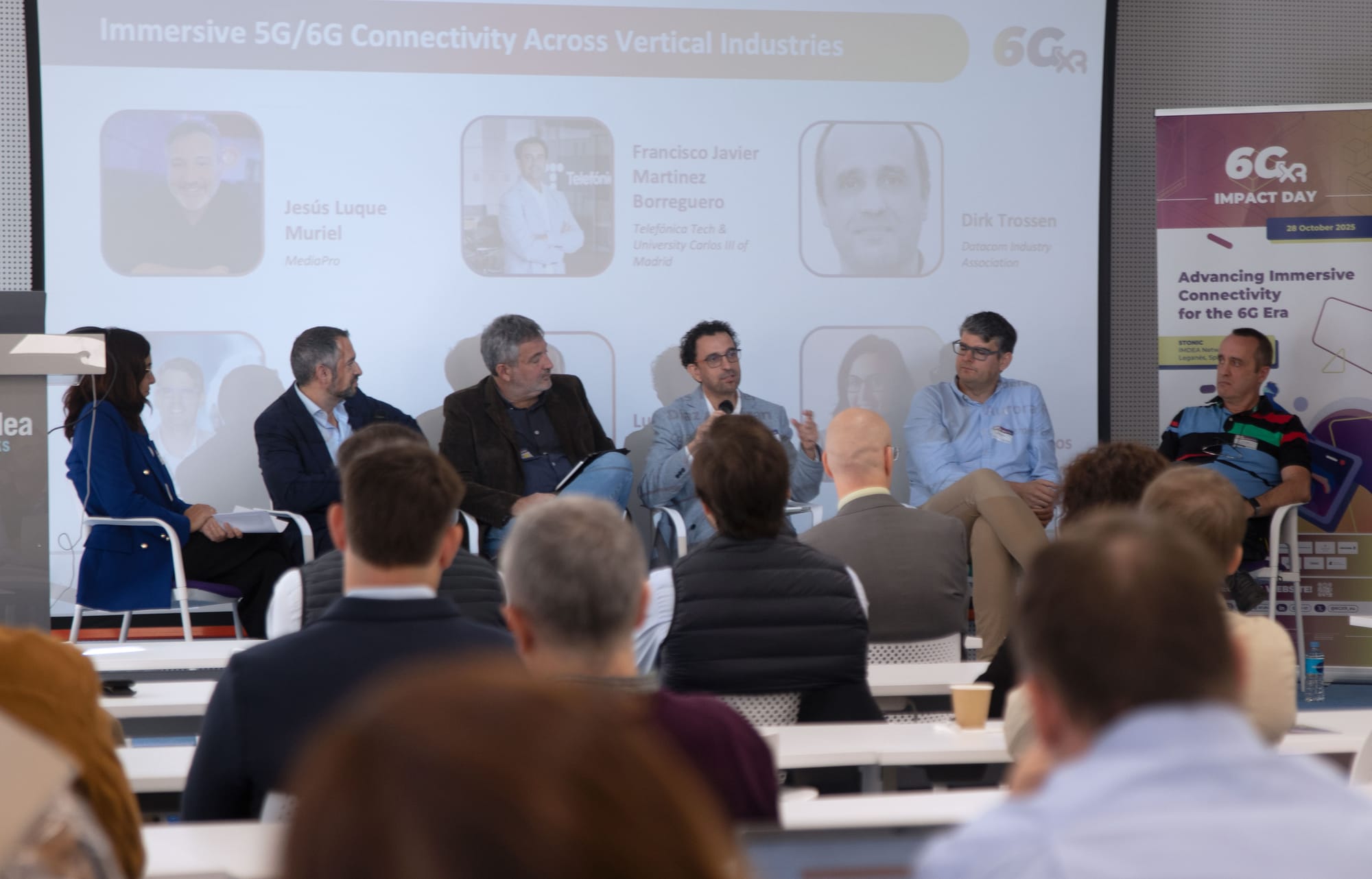
The first panel focused on how XR and next-generation connectivity can drive innovation in diverse industries. Moderated by Aurora Ramos Lopez (Capgemini Engineering), this discussion featured Luis Manuel Díaz de Téran (Capgemini Engineering), Jesús Luque Muriel (Mediapro), Francisco Javier Martínez Borreguero (Telefónica Tech & University Carlos III of Madrid), Dirk Trossen (Datacom Industry Association), and Diego Mallada (Gestamp). A recurring message emerged: while the underlying technologies for XR, AI, and edge-cloud integration have advanced significantly, broad adoption will depend on organizational readiness, shared architectures, and trust in data flows.
- Manufacturing & Industry 4.0: XR and AI need to integrate seamlessly and safely into established workflows.
- Energy & Utilities: Open data architectures are required to avoid vendor lock-in across multiple facilities.
- Media Production: Workflows are moving toward cloud-based pipelines, but still demand broadcast-grade reliability and continuity.
- Automotive Manufacturing: XR adoption faces challenges with the quality and usefulness of captured data.
- Critical Infrastructure: Operators need strong guarantees of data locality, runtime compliance, and trusted federated deployments.
Across all these sectors, a common thread was clear: without interoperability, robust data governance, and integration into existing workflows, immersive connectivity will struggle to scale in real-world environments. In other words, technology isn’t the only piece of the puzzle—industry alignment and trust are equally decisive for XR’s success.
(In summary, Panel 1 painted an exciting picture of XR’s vertical use cases blossoming – from holographic communications to AR-enhanced driving – while also frankly acknowledging the work needed on interoperability and user trials. The dialogue reinforced that Europe’s strength lies in its collaborative approach, knitting together telecom, media, and tech players to push XR forward.)
Live Demonstrations: Testing XR Solutions Under Real-World Conditions
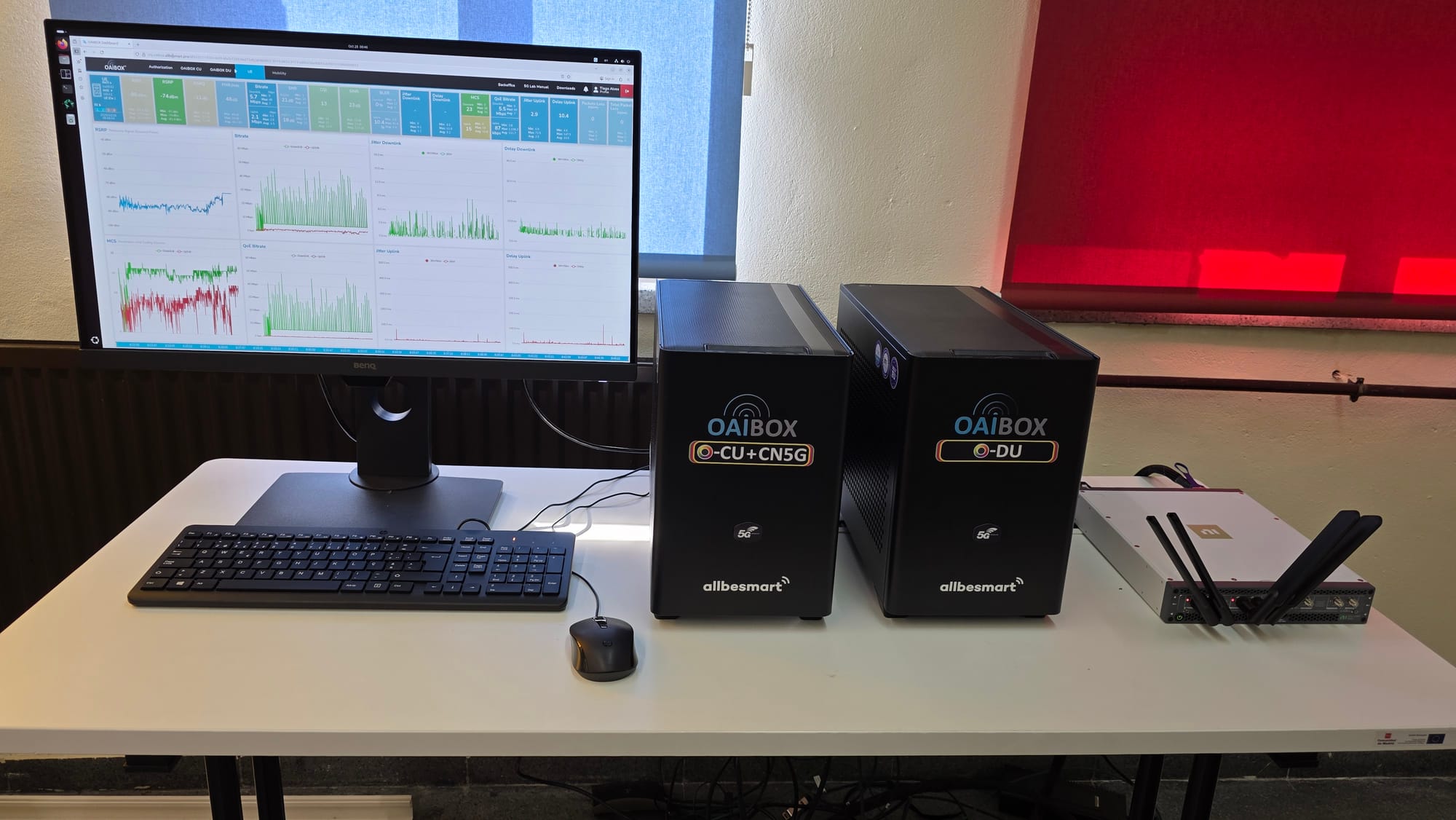
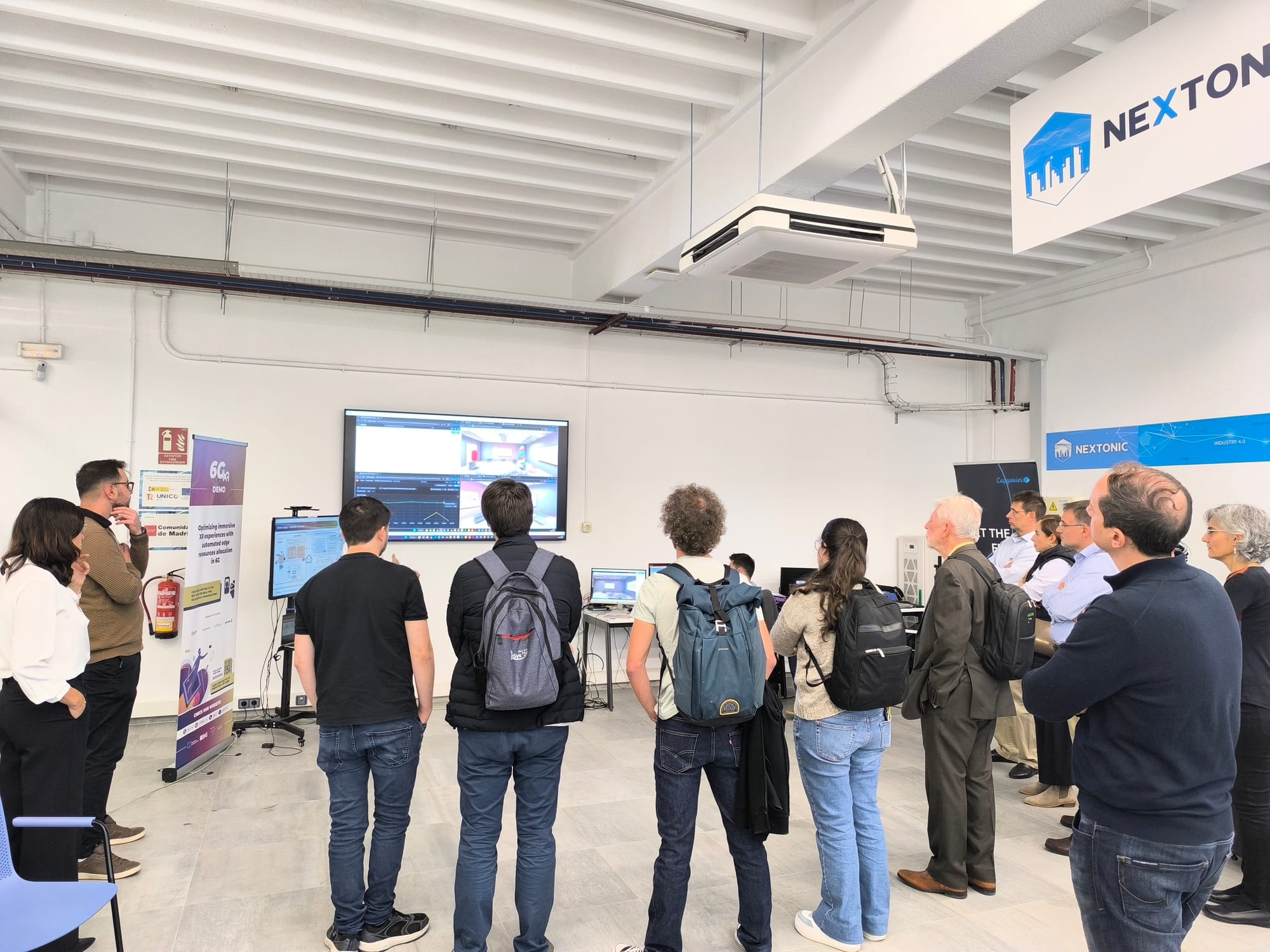
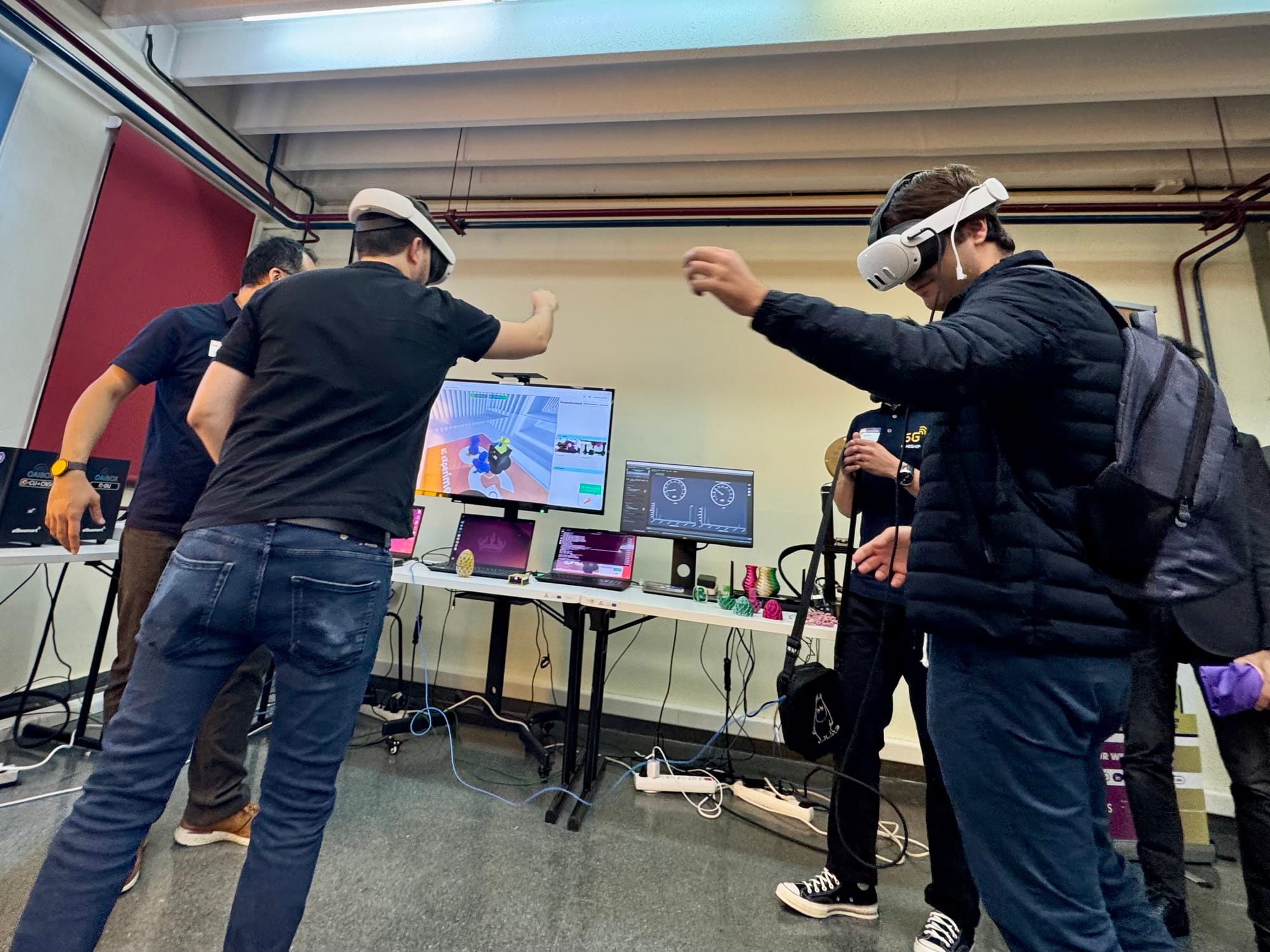
The technical core of 6G-XR Impact Day was a series of five live demonstrations. These showcases provided concrete evidence of how distributed edge resources, intelligent orchestration, and immersive applications perform under real-world constraints. Collectively, the demos illustrated the potential of a coordinated 5G/6G network and computing fabric to support next-gen XR services in practice. Below are the demonstrated use cases and their key highlights:
- Congestion-Aware Holographic Communication (Use Case 1): A real-time holographic video call that dynamically adapts to network congestion using AI-driven rate control, keeping the experience stable even as bandwidth conditions fluctuate.
- Automated Edge Selection for Multi-User XR (Use Case 2): An edge computing solution that automatically selects the optimal edge node for each XR user, minimizing latency and allowing lightweight devices to run multi-user immersive applications smoothly.
- Native IMS-Based Holographic Calling (Use Case 3): A holographic telepresence demo embedded into a smartphone’s native dialer via IMS data channels, eliminating the need for any external app – an important milestone toward mainstream, carrier-grade AR calling.
- Co-Creative Digital Twin Cyber Studio (Use Case 4): A collaborative 3D design and fabrication environment linking an XR interface with real lab equipment, showing how XR and an O-RAN 5G network can support industrial digital twins for remote manufacturing and design tasks.
- Energy-Aware RAN and Application Optimization (Use Case 5): An AI-driven system that aligns radio network behavior and application performance with the availability of renewable power, hinting at future “green intelligence” for energy-sustainable 6G networks.
These demonstrations validated the automation, interoperability, and cross-domain continuity required for large-scale immersive services. In essence, the project showed that a coordinated cloud-edge-network fabric can be operated across distributed sites—an essential step toward a future European 6G infrastructure.
Panel 2: From Network Capabilities to Standardized APIs

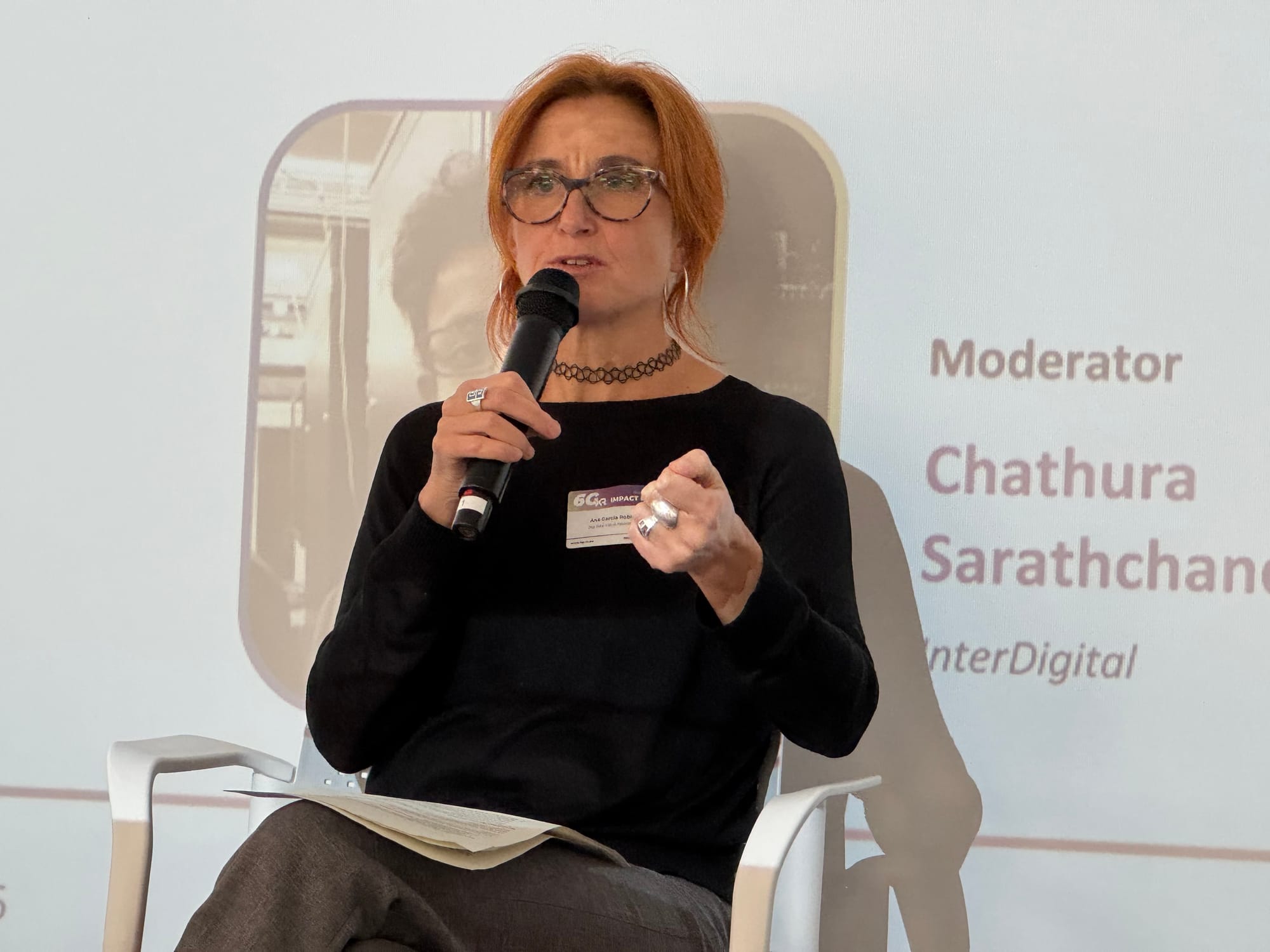
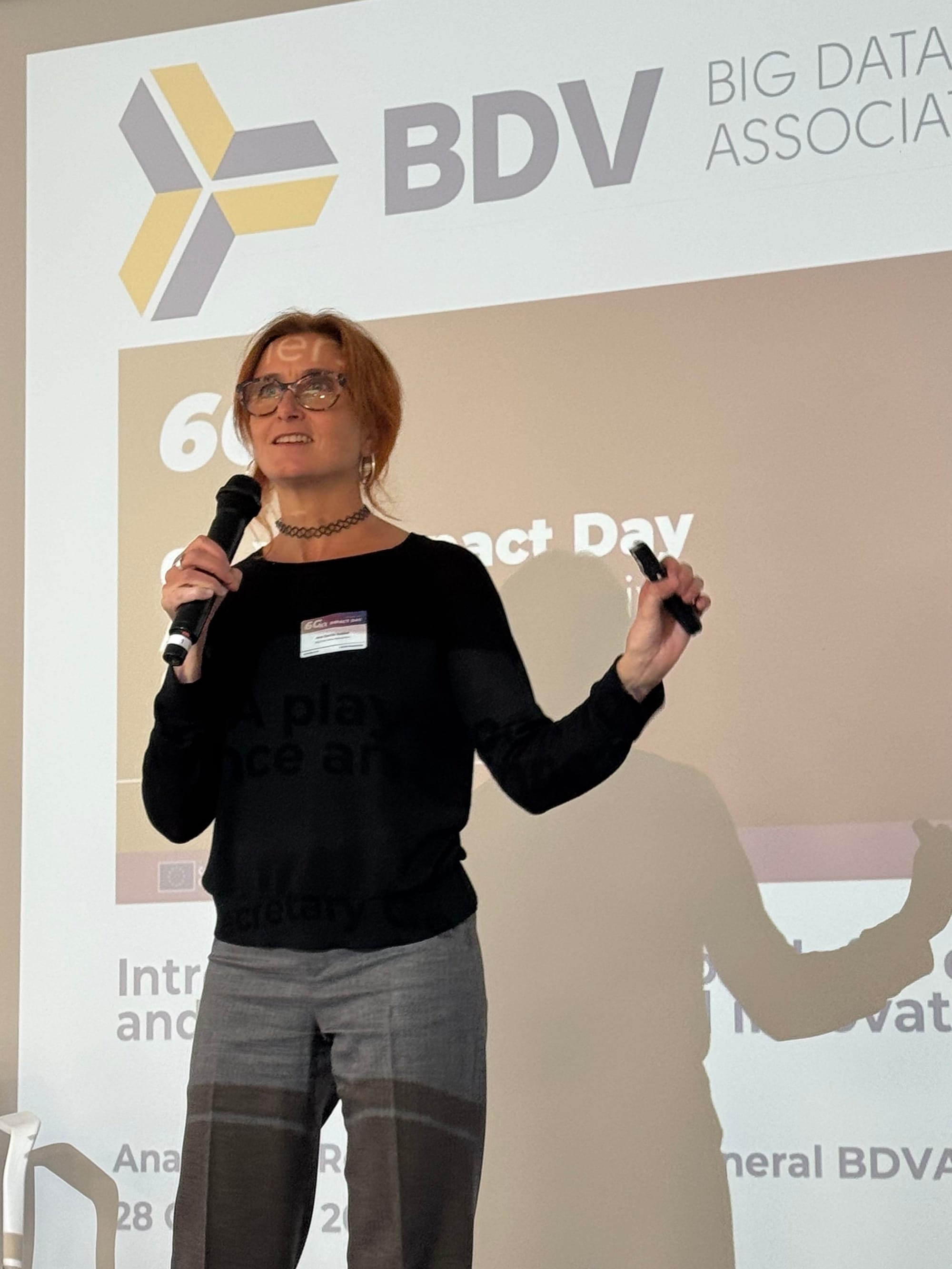

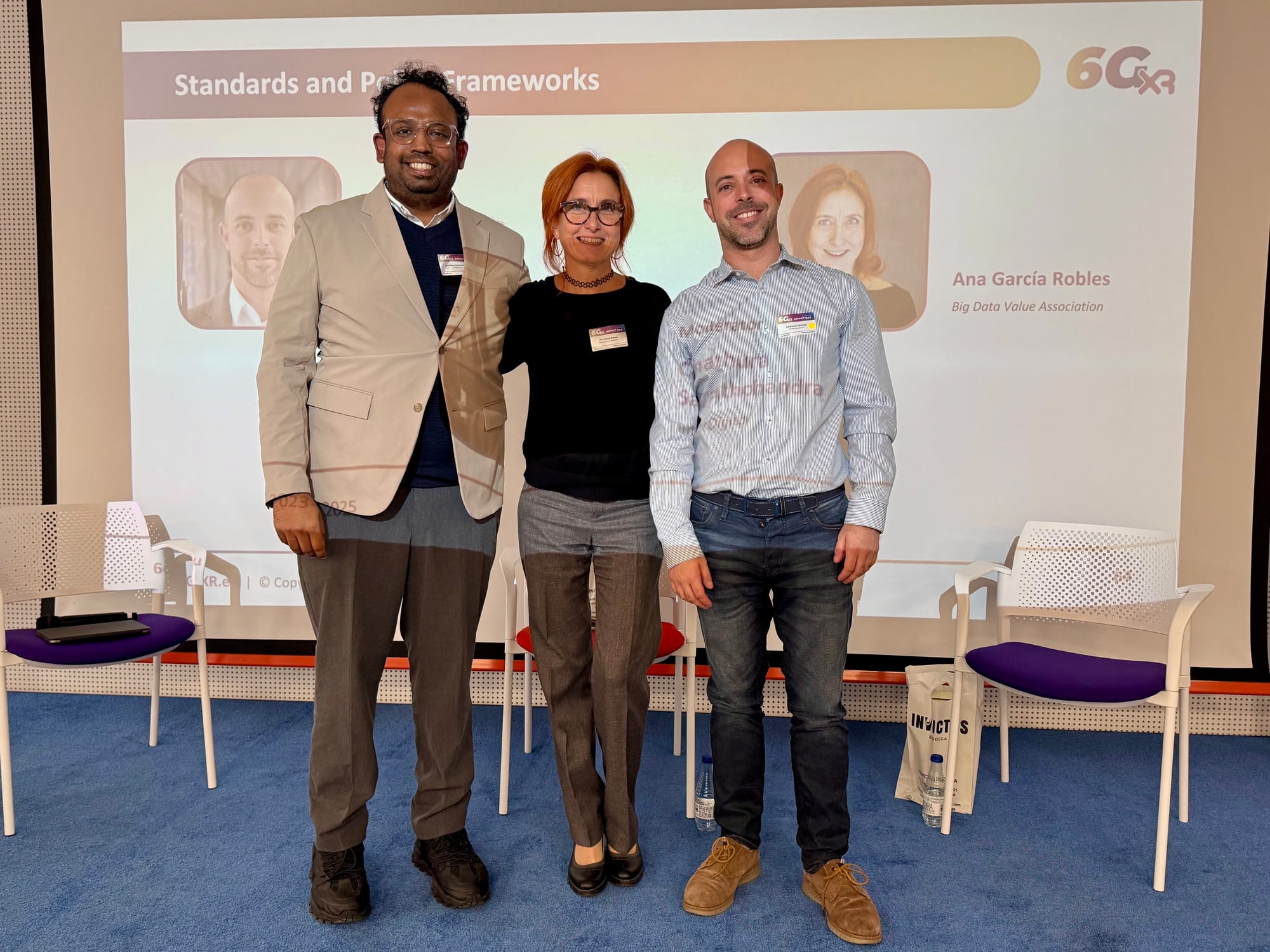
After lunch, the focus shifted from use cases to enablers: how can we turn the advanced capabilities of telecom networks and data frameworks into tangible tools for developers and service providers? I moderated this panel featuring Jordi Joan Giménez of 5G-MAG (5G Media Action Group) and Ana García Robles of BDVA (Big Data Value Association), two people at the forefront of bridging telecom, media, and AI ecosystems.
Bridging Telecom and Media through Open APIs: Jordi opened with a perspective from 5G-MAG, which is all about making media services work seamlessly over 5G/6G. He explained that today’s networks offer a rich toolkit (from edge computing and network slicing to advanced media streaming protocols), but exposing those capabilities in a uniform way is challenging. To address this, 5G-MAG launched its Reference Tools program – an open-source effort to provide common APIs and software implementations for 5G media features . Essentially, they take relevant 3GPP specs for 5G media streaming and broadcasting, and build open reference code that any developer or broadcaster can use. This approach lowers the entry barrier by turning complex telecom features into reusable software artifacts. “Our goal is to catalyze interoperability and adoption of 5G media technology,” Jordi noted, citing that open-source reference tools can accelerate a more dynamic and competitive ecosystem by letting developers plug into network capabilities without reinventing the wheel . The audience was clearly energised by this – it’s a shift from theory to practice that can speed up innovation.
From Data Governance to Trusted AI: Ana brought in the equally vital perspective of data and AI governance. XR applications generate and rely on massive amounts of data (user movements, preferences, sensor feeds), so questions of who can access data, under what rules, and how AI algorithms use it are paramount. She emphasized Europe’s push for “trustworthy AI” and robust data sharing frameworks. One highlight was the concept of European Data Spaces – federated data ecosystems in sectors like media, mobility, etc., where organizations can share data under common standards and with trust as a central foundation . Ana pointed out that trusted data sharing and AI go hand-in-hand: by establishing governance (privacy, security, fairness), data from telecom networks or XR services can be made available for new AI-driven applications safely. “Data Spaces will be a key enabler,” she argued, echoing the BDVA community’s view that such frameworks can unlock cross-sector innovation while keeping European values (like privacy and transparency) at the core . In practice, this might mean XR developers could tap into, say, a media data space or a smart city data space via standardized interfaces, confident that compliance and ethics are built-in. The panel agreed that without user trust, XR services (especially those blending real and virtual worlds) would face adoption hurdles – hence the importance of built-in data governance and AI ethics.
Convergence of Telecom, Media, and AI: A key takeaway from Panel 2 was that the traditional boundaries between industries are blurring. To deliver a rich XR experience, you need high-performance networks (telecom), compelling content (media), and intelligent personalization or context-awareness (AI/data). Harmonizing these elements requires common standards and open interfaces. Jordi’s and Ana’s talks reinforced that both the technology side (APIs, open-source implementations) and the policy side (data governance, standards for AI) are moving in the same direction. The audience heard how initiatives like 5G-MAG Reference Tools and the SNS Data Governance work are complementary pieces of the puzzle. For example, telecom APIs developed in 5G-MAG could be combined with AI/ML components that follow Europe’s trustworthy AI guidelines – resulting in services that are not only innovative but also compliant and secure by design. Both speakers stressed the need for open collaboration: Siloes must be broken down so that a telecom engineer, a media content creator, and an AI developer can speak the same language (or at least their systems can, via standard APIs). In short, telecom networks should expose their superpowers in developer-friendly ways, and AI systems should be equipped to consume network data responsibly. This convergence is how we’ll realize the full potential of XR in the 6G era.
Pragmatic Steps Forward: The panel didn’t shy away from actionable recommendations. Jordi advocated for more open-source community involvement – “don’t just wait for standards to solidify; start building and iterating”, he urged, inviting participants to contribute to projects on GitHub. Ana, on the other hand, highlighted ongoing standardization efforts where input is needed, such as developing common API specifications for data spaces and ensuring upcoming 6G network standards include hooks for privacy and AI control. The panelists cited work in organizations like 3GPP, ETSI, 5G-IA, and BDVA and encouraged the XR community to engage there. One audience question was about energy efficiency – how do we ensure all these new services remain sustainable? Interestingly, this tied back to both open APIs and data governance: if networks provide APIs for energy status or carbon footprint, developers could optimize their apps (e.g. scaling video quality based on green energy availability). In fact, a demo at the event showed exactly that – an AI system dynamically adjusting a 5G RAN and video streaming based on solar energy forecasts . It underscored that API-izing everything, even energy metrics, can enable smarter, greener applications.
(Overall, Panel 2 delivered a compelling message: the technical and organizational groundwork is being laid to make 6G and XR developer-friendly and trustworthy. Open-source reference implementations, standard APIs, data spaces, and AI ethics frameworks are not just buzzwords – they are the concrete tools and rules that will allow the XR ecosystem to flourish. The panel left attendees with a sense that the XR community is actively solving the “plumbing” issues to smooth the path for the next wave of services.)
Reflections: Collaboration, Standards and the Road Ahead
Serving as the moderator for these panels was an enriching experience. As an innovation manager who has worked across wireless and media domains, I was struck by the energy and optimism in the room. The 6G-XR Impact Day wasn’t just a showcase of tech demos; it felt like a rallying point for a community that genuinely believes in the future of XR. I’d like to share a few personal takeaways and thoughts on what’s next:
- Collaboration is Key: XR is the intersection of many fields – networking, computing, content creation, and more – so no single player can do it alone. This event underscored how much progress is fueled by partnerships. The 6G-XR project itself brought together start-ups, industry giants, universities, and even regulators to shape the future of XR . Seeing partners openly share their findings reinforced my belief that ecosystem collaboration is a force-multiplier. We should continue nurturing forums like these to keep exchanging knowledge and aligning efforts.
- Standardized APIs and Open-Source Tools: One of the clearest lessons was that technical standards and open-source implementation go hand in hand. If we want XR at scale, we need widely accepted APIs so that devices, apps, and networks plug together easily. It was encouraging to hear concrete examples: 5G-MAG’s open reference tools making 5G media features accessible , and calls for XR-specific network APIs (for e.g. quality of service, positional data) that could be standardized. Embracing open-source is a smart way to accelerate this – by collaboratively developing reference code, the industry can converge faster and lower integration costs . I came away convinced that “open” is not just a philosophy but a practical strategy to drive interoperability.
- Energy Efficiency and Sustainability: I was glad to see that the XR community is prioritizing energy efficiency and green design, not as an afterthought but as a core requirement. The demo of a network optimizing itself based on green energy availability was eye-opening – it showed an autonomous, energy-efficient service delivery pipeline in action . In the panels, we touched on how 6G research includes goals like reducing energy per bit and using AI to smartly allocate resources. Moving forward, we must bake Environmental, Social, and Governance (ESG) principles into XR and 6G design from the start . This means things like energy-aware APIs, carbon footprint transparency for digital services, and inclusive design so that XR benefits society broadly.
- Trustworthy AI and Data Governance: If XR is going to blend digital content with our real lives, users need to trust the technologies involved. Hearing from the data governance side reinforced that privacy, security, and ethics are non-negotiable. I strongly agree with the notion that frameworks like the EU’s AI Act and Data Governance Act aren’t hurdles – they’re enablers of long-term adoption. By creating common data spaces with built-in trust and governance, we can unlock a wealth of data for XR applications safely . The work BDVA and others are doing to define those mechanisms will pay dividends when, say, a healthcare XR app can confidently draw on patient data because it adheres to a trusted standard. My takeaway: the XR/6G community should proactively engage with the AI and data governance communities to shape these rules. It’s how we ensure XR is not just exciting, but also responsible and worthy of users’ confidence .
- Human-Centric Design Above All: Amidst all the tech talk, I kept coming back to the end user – the people who will wear these XR glasses, use these holographic apps, or benefit from these services. A point I often champion (and echoed in my own past writings) is that technology must serve human needs, not the other way around. If 6G and XR experiences aren’t intuitive, comfortable, and enhancing our lives, they simply won’t take off. As I’ve argued before, the industry must consider human-centricity as a requirement in developing 6G/XR tech or risk losing user interest and investment . Thankfully, at Impact Day I sensed a genuine acknowledgement of this fact – whether it was talk of improved XR ergonomics, content that respects cultural context, or network QoS metrics that reflect Quality of Experience. Going forward, I’m excited to see the SNS community keep the user front and center, perhaps even developing new metrics for XR Quality of Experience and new methodologies for inclusive design.
Looking Ahead: What’s Next for 6G-XR and the SNS Community
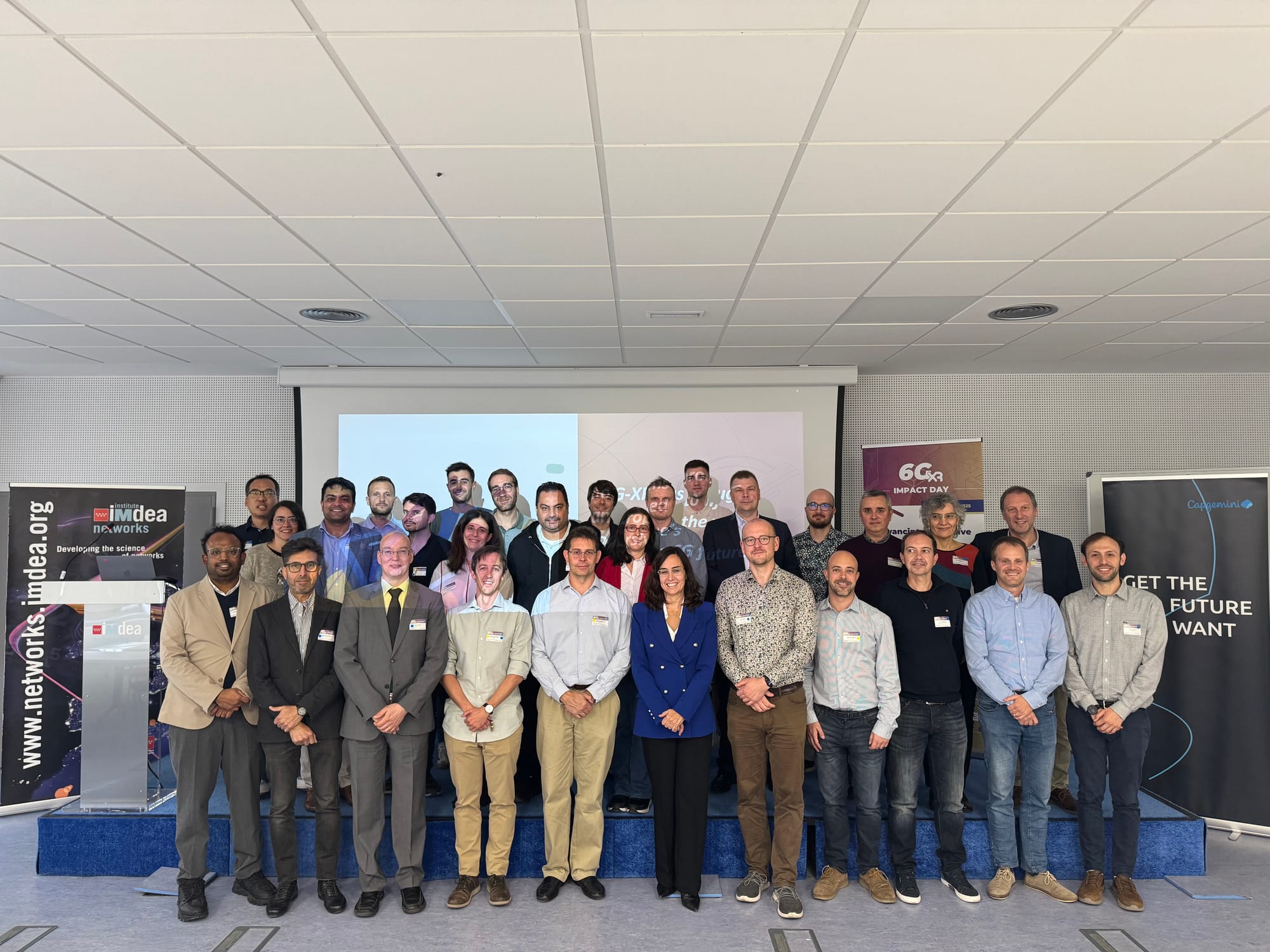
Indeed, 6G-XR Impact Day felt like a microcosm of Europe’s vision for 6G: technological excellence married with societal impact. So, what should come next for the 6G-XR community and the SNS partnership?
Firstly, we need to turn insights into action. The gaps identified (be it interoperability, standards, or trust) provide a clear to-do list for the community. I expect to see new standardization work items kicked off as a result – for example, feeding the XR requirements into 3GPP Releases or into MPEG/ETSI for media and XR formats. The open-source prototypes demonstrated should continue to be developed and expanded (perhaps 6G-XR can hand them over to interested open-source communities or startups for further use). The knowledge from the project’s trials should be distilled into white papers, contributions, and maybe new research proposals. In short, the end of the project is not the end of the journey – it’s a launchpad for the next wave of innovation.
Secondly, the community should keep and expand the collaborative spirit. One idea floated during networking was to establish a more permanent innovation forum within SNS JU or 6G-IA, where multiple projects (like 6G-XR, and upcoming ones) regularly share progress and align roadmaps. Given how fast XR tech is evolving, such coordination can ensure we don’t duplicate efforts and we collectively tackle the big challenges (like defining those common APIs). Also, reaching out to global partners will be key – XR and 6G are being explored worldwide, so international cooperation on standards and research (through 3GPP, IEEE, ITU, etc.) should be on our agenda.
Thirdly, focus on vertical engagement and developer outreach. Impact Day involved vertical industry players (energy, media, manufacturing, mobility were all represented) – this must continue. We should involve even more verticals and importantly, the developer community who will ultimately build XR applications. Offering open testbeds (like 5TONIC and the North/South nodes) beyond the life of the project, and organizing hackathons or challenges, could maintain momentum and bring fresh ideas into the fold. The more we can package what’s been achieved (APIs, tools, lessons) into easily accessible forms for others, the more impact it will have.
Finally, a forward-looking note: 6G and XR are still in their early days, and the journey will span the next decade. But events like 6G-XR Impact Day give a tangible sense that we are on the right path. We have a community that’s passionate and united behind common goals. As we move into future SNS JU projects and beyond, I’m optimistic that the seeds planted here will grow into standard features in our networks and devices – making the magical XR use cases we imagine today an everyday reality tomorrow.
In conclusion, moderating these panels and engaging with the XR/6G trailblazers was inspiring. The message I’m taking with me is one of collaborative optimism: by working together across industries and disciplines, embracing standards, and keeping our focus on people and planet, we can truly advance immersive connectivity for the 6G era . The 6G-XR Impact Day was aptly named – its impact will resonate as we forge ahead. Now, it’s up to all of us in the community to build on this momentum and make the XR dream for 6G come true.